Get Chimney Cap Replacement
Chimney cap replacement services help property owners fix damaged or missing caps to prevent water damage, block debris, and keep pests out.
If your property’s chimney has a worn or damaged cap, exploring replacement options is a practical step toward maintaining its functionality and appearance. A properly installed chimney cap helps prevent debris, animals, and moisture from entering the chimney, which can protect the structure and reduce potential issues down the line. Property owners in the area often consider chimney cap replacement as part of ongoing property maintenance or renovation projects, ensuring their homes remain safe and well-protected.
When planning for a chimney cap replacement, it’s helpful to compare local service providers who specialize in chimney and masonry work. Many local contractors offer a range of options to suit different property needs and styles. Continuing to read can provide guidance on how to connect with experienced professionals in the area, making it easier to find the right fit for your project.
- Chimney Cap Replacement - when a damaged or missing chimney cap allows debris or animals to enter the chimney.
- Chimney Cap Replacement - if the existing cap has rust, corrosion, or other signs of deterioration.
- Chimney Cap Replacement - after a chimney fire or severe weather has compromised the cap's integrity.
- Chimney Cap Replacement - when upgrading to a more durable or weather-resistant cap for better protection.
- Chimney Cap Replacement - to improve the overall safety and functionality of the chimney system.
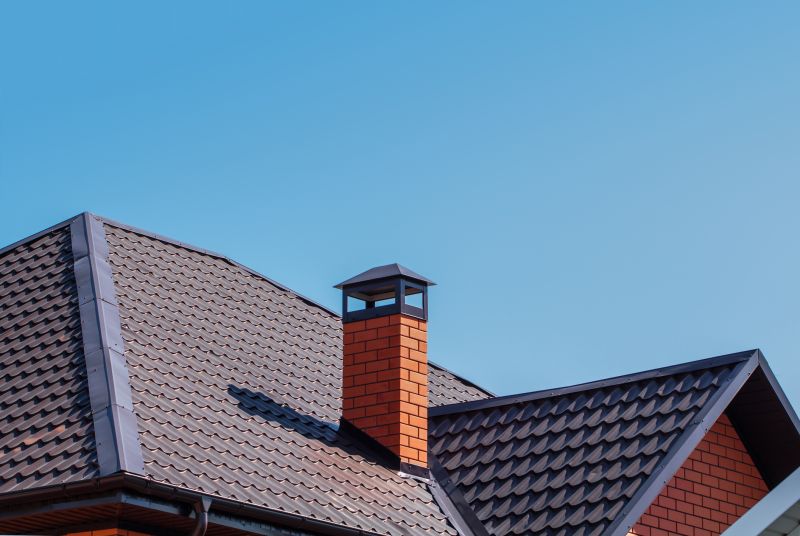
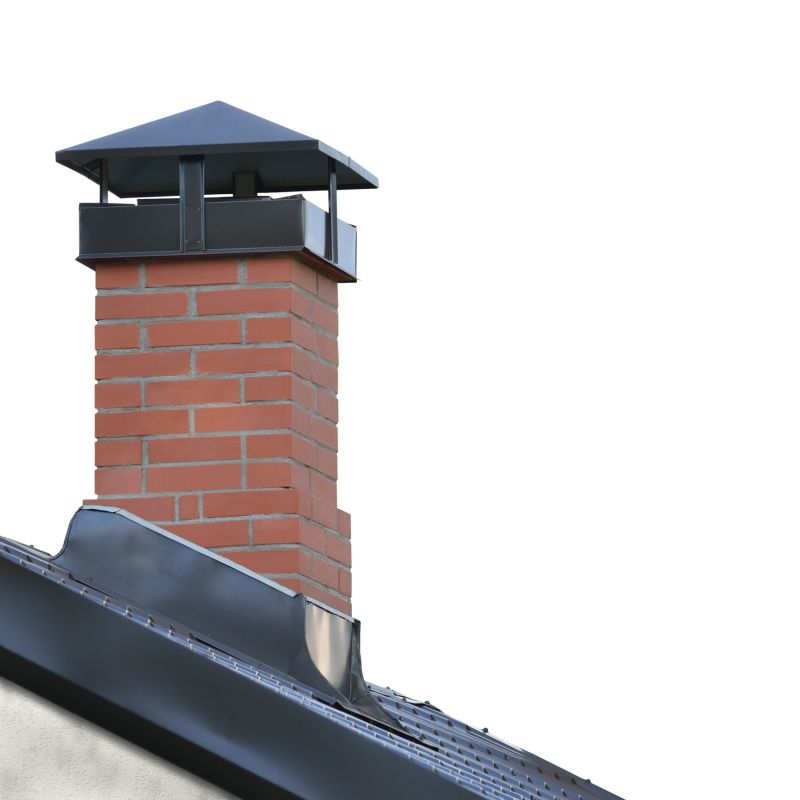
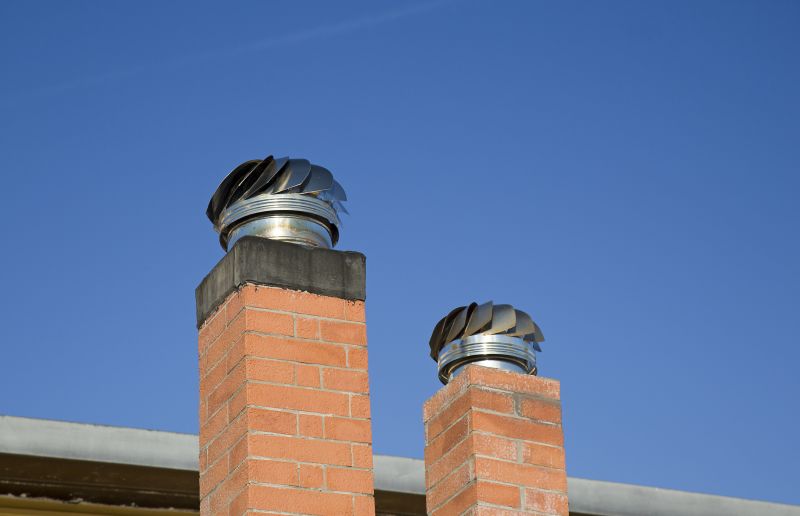
Chimney cap replacement services involve removing an existing chimney cap and installing a new one to ensure proper protection for the chimney and fireplace. A chimney cap is a crucial component that sits atop the chimney opening, preventing debris, animals, and rain from entering the flue. Over time, caps can become damaged, corroded, or dislodged due to weather exposure or general wear and tear. Replacing a faulty chimney cap helps maintain the integrity of the chimney system and prevents potential issues that could compromise safety or functionality.
This service helps address common problems such as water leaks, animal intrusion, and debris buildup. When a chimney cap is damaged or missing, rainwater can seep into the chimney, leading to rust, mold, or structural deterioration. Animals like birds or squirrels may enter the chimney, causing blockages or even nesting in the flue, which can create fire hazards. Additionally, debris such as leaves or twigs can accumulate, obstructing proper airflow and reducing the efficiency of the fireplace or stove. Replacing the chimney cap restores a protective barrier that keeps these issues at bay.
Chimney cap replacement is frequently needed for residential properties, including single-family homes, townhouses, and multi-unit buildings. It is especially important for homes located in areas with harsh weather conditions or heavily wooded surroundings, where exposure to rain, snow, or animals is more likely. Commercial properties with fireplaces or heating systems that vent through chimneys may also require this service to ensure ongoing protection. Property owners should consider a cap replacement if they notice signs of rust, corrosion, or if the cap is visibly damaged or missing altogether.
Engaging with local contractors for chimney cap replacement provides a practical solution for maintaining chimney safety and performance. These service providers can assess the condition of the existing cap, recommend suitable replacements, and ensure proper installation. Regular inspections and timely replacements can prevent costly repairs and help keep the chimney functioning efficiently. Contacting experienced local pros is a reliable way to address chimney cap issues and protect the property’s heating system from preventable damage.
The overview below groups typical Chimney Cap Replacement projects into broad ranges so you can see how smaller, mid-sized, and larger jobs often compare in your area.
In many markets, a large share of routine jobs stays in the lower and middle ranges, while only a smaller percentage of projects moves into the highest bands when the work is more complex or site conditions are harder than average.
Smaller Repairs - Most routine chimney cap repairs typically cost between $150 and $400. Many local contractors handle these straightforward jobs efficiently within this range. Fewer projects may require more extensive work, pushing costs higher.
Standard Replacement - Replacing a chimney cap usually falls in the $250-$600 range for many homes. This is the most common price band, with many projects completing within this bracket depending on the cap size and material.
Full Cap Installation - Larger or custom chimney cap installations can range from $600 to $1,200. These projects often involve additional work or specialized materials, which can increase the overall cost.
Complete Chimney Crown or Masonry Work - For more complex projects that include extensive masonry or crown repairs alongside cap replacement, costs can reach $2,000 or more. Such projects are less frequent but necessary for significant structural issues.
Actual totals will depend on details like access to the work area, the scope of the project, and the materials selected, so use these as general starting points rather than exact figures.
Chimney Repair Projects - These projects require similar skills in assessing chimney structures and using specialized tools to ensure proper function and safety.
Flue Pipe Replacement - Replacing or repairing flue pipes involves understanding chimney systems and working with metal components, akin to installing chimney caps.
Masonry Chimney Restoration - Restoring or rebuilding masonry chimneys demands planning and craftsmanship comparable to installing or replacing chimney caps.
Vent Cover Installation - Installing vent covers on various exhaust systems shares planning and tool use with chimney cap replacement services.
Chimney Crown Repair - Repairing or replacing chimney crowns involves similar planning and masonry skills as cap replacement projects.
Rain Cap Installation - Installing rain caps on different types of vents or chimneys requires precise fitting and understanding of weatherproofing techniques similar to cap replacement.
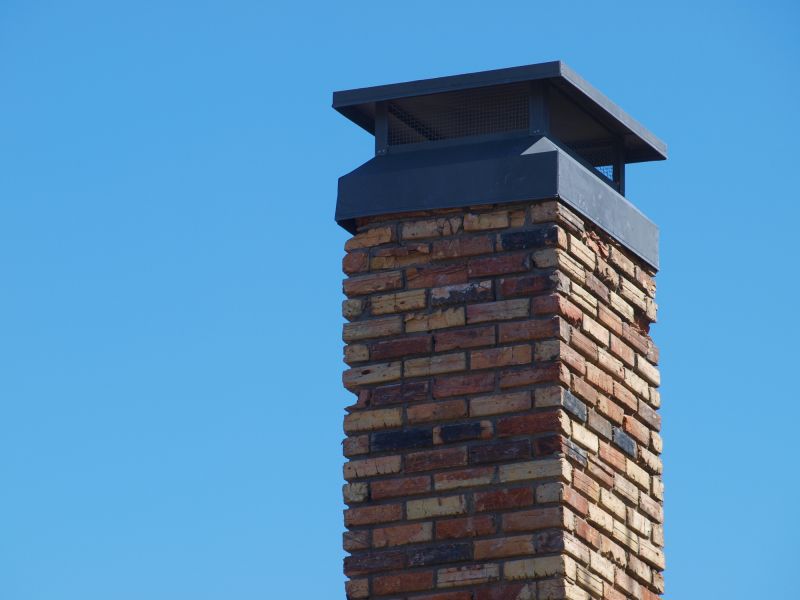
When evaluating service providers for chimney cap replacement, it is important to consider their experience with similar projects. Homeowners should seek out local contractors who have a proven track record in installing or replacing chimney caps, as familiarity with the specific requirements and common challenges of this type of work can lead to a more successful outcome. Asking for examples of completed projects or references related to chimney cap services can provide insight into their expertise and reliability in handling this particular task.
Clear, written expectations are essential when comparing local pros. Homeowners should look for providers who can offer detailed descriptions of the scope of work, materials to be used, and any warranties or guarantees associated with the service. Having this information in writing helps ensure that both parties have a shared understanding of the project, reducing the potential for misunderstandings or unmet expectations. It also provides a basis for evaluating whether a contractor’s approach aligns with the homeowner’s needs and preferences.
Reputable references and good communication are key indicators of a trustworthy local contractor. Homeowners are encouraged to seek out reviews or testimonials from previous clients and to ask service providers for contact information of past customers. Effective communication throughout the process-from initial inquiries to project completion-is also a sign of professionalism and reliability. While the site introduces homeowners to local options, it is important to remember that the actual work is performed by these independent service providers, making thorough research and comparison a vital step in finding the right match for chimney cap replacement needs.
Property owners use Chimney Cap Replacement services for practical projects around their homes and businesses. This guide focuses on everyday jobs and straightforward project options.
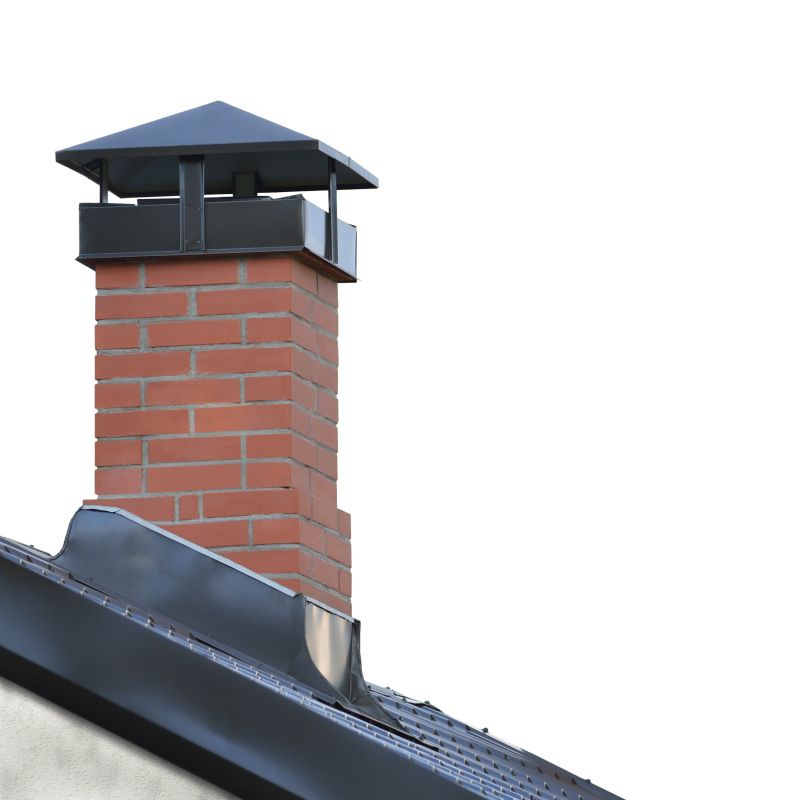
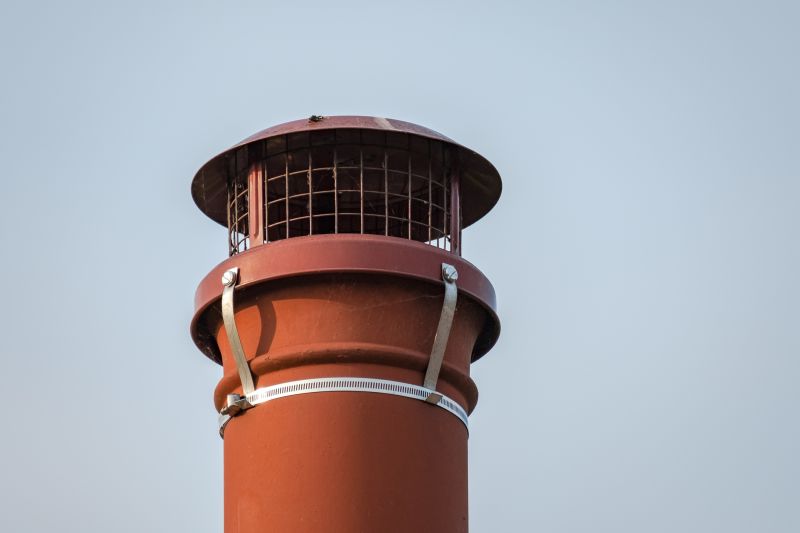
Chimney cap replacement is a common service that property owners in the area may need when their existing caps become damaged or worn out. Over time, exposure to the elements can cause rust, corrosion, or physical damage, leading to the need for a new cap to protect the chimney and prevent debris, animals, or water from entering. Local contractors can provide the expertise to assess the condition of existing chimney caps and recommend suitable replacements to ensure proper protection and functionality.
Homeowners might also consider replacing their chimney caps if they notice issues like increased chimney draft problems, pests gaining access, or visible deterioration. Whether due to age, weather damage, or upgrading for improved performance, many property owners seek out local service providers who can handle the installation efficiently. Connecting with experienced local contractors can help ensure the job is done correctly and that the chimney remains secure and functional.
Why might I need a chimney cap replacement? A chimney cap may need replacement if it is damaged, rusted, or no longer effectively preventing debris and animals from entering the chimney.
How do I know if my chimney cap needs to be replaced? Signs include visible damage, rust, or if the cap is missing altogether, which can lead to increased debris or animal entry.
What are the benefits of replacing a chimney cap? Replacing a chimney cap can help improve chimney function, prevent pests, and protect the chimney structure from weather-related damage.
Can local contractors handle chimney cap replacement on different types of chimneys? Yes, experienced service providers can replace chimney caps on various chimney styles and materials.
What should I consider when choosing a new chimney cap? Consider the size, material, and design that match your chimney to ensure proper fit and protection.
Ensure proper ventilation - Replacing a damaged chimney cap helps maintain airflow and prevents smoke or gases from entering the home.
Prevent animal intrusion - Installing a new chimney cap keeps birds, squirrels, and other pests from nesting inside the chimney.
Protect against debris buildup - A fresh chimney cap prevents leaves, twigs, and other debris from clogging the chimney flue.
Reduce fire risk - Upgrading the chimney cap can help minimize the chance of sparks escaping and igniting nearby combustible materials.
If you are thinking about Chimney Cap Replacement for a property, this guide is meant to help you understand the work, the typical project types, and how different options might fit your plans.
When you are ready, you can use the quote form on this page to share a few details about your project. From there, local pros can review the basics and respond with options that match what you have in mind.